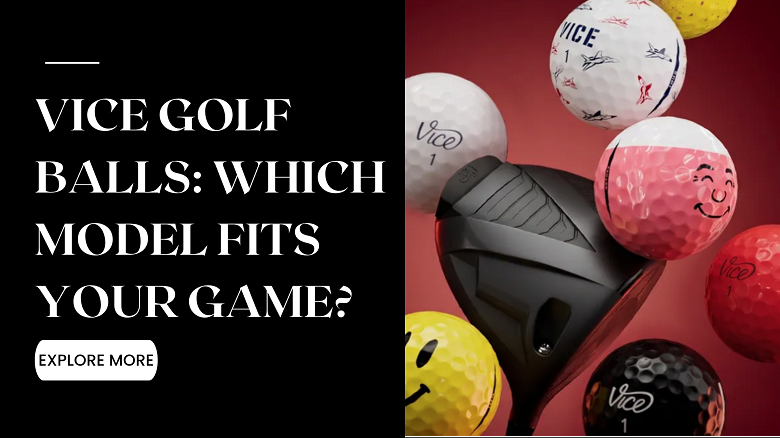
Vice Golf has become a familiar name for players who want tour-style construction at a lower price point. Founded in Munich in 2012, the brand sells mainly direct to consumers and focuses on cast-urethane and Surlyn golf balls designed for different swing speeds and priorities. This guide explains the current Vice golf balls lineup—Pro, Pro Plus, Pro Air, Tour and Drive—so you can match a model to your game without the marketing noise.


You will learn the construction differences, typical player profiles for each ball, customisation options, and practical buying tips for golfers in the USA and the UK.
The Vice Golf Approach
Vice started as one of the first direct-to-consumer golf-ball companies. By cutting out traditional retail layers and large tour sponsorship budgets, it offers premium materials at lower list prices, especially when buying in bulk. The company has since expanded into clubs and accessories, but the balls remain the core product.
All current models are R&A and USGA conforming. The premium Pro series uses cast urethane covers; the Tour and Drive use more durable Surlyn covers.
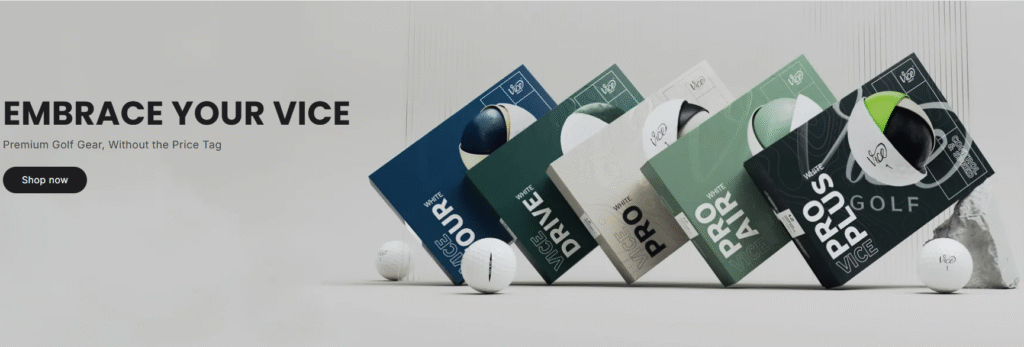
Vice Golf Ball Models at a Glance
Vice Pro Plus
Four-piece construction with a cast urethane cover. Built for higher swing speeds. It prioritises short-game spin and responsive feedback. Many independent tests place it at the firmer end of the Vice range.
Vice Pro
Three-piece cast urethane ball aimed at medium swing speeds. It sits in the middle of the lineup for spin and feel, making it a common choice for players who want balanced performance from tee to green.
Vice Pro Air
Three-piece cast urethane model that replaced the earlier Pro Soft. Lower compression (around 75) and designed for higher launch and easier distance, particularly for moderate or slower swing speeds. Softest feel among the urethane options.
Vice Tour
Three-piece Surlyn cover ball positioned as the everyday all-rounder. Good durability and balanced performance across a wide range of swing speeds. Lower price than the Pro series.
Vice Drive
Two-piece Surlyn ball focused on distance and toughness. Lower spin off the tee helps many players keep drives in play. The most affordable option in the range.
Special editions appear regularly: high-visibility neon colours, Drip and Shade patterns, Tracer alignment versions, limited gold or black finishes, and collaboration designs. These keep the same core construction as the standard models.
How to Choose the Right Vice Ball
Start with three questions:
- What is your typical driver swing speed or average driving distance?
- Do you prioritise greenside spin and soft feel, or distance and durability?
- How much do you want to spend per dozen?
Rough matching guidelines based on manufacturer positioning:
- Higher swing speeds → Pro Plus
- Medium swing speeds wanting balance → Pro
- Moderate or slower speeds wanting higher launch and softer feel → Pro Air
- Value and durability across all speeds → Tour
- Maximum distance and lowest cost → Drive
A variety pack is often the simplest way to test several models side by side. Vice also provides a ball comparison tool and fitting resources on its website.
Customisation and Buying Tips
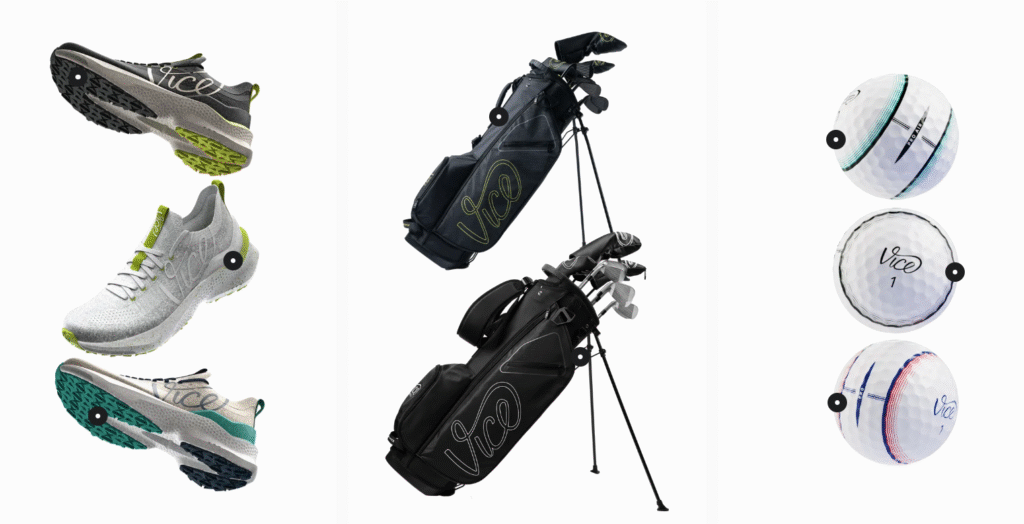
Vice offers personalisation—names, logos, or short text—on many models. Colour options include classic white, neon lime, neon pink, ice blue, black, and various Drip and Shade patterns. Bulk discounts usually apply when ordering multiple dozens, and the brand periodically runs promotions, military or first-responder discounts, and referral offers.
Primary purchase channel is the official site (vicegolf.com for the US; regional sites for the UK and other markets). Some models appear on major online retailers and secondary markets, but new stock and full custom options are most reliable from the manufacturer.
Used or lake balls are available through third parties; performance depends heavily on condition, so new balls remain the safer choice for consistent results.
How Vice Balls Compare in Practice
Independent robot and player testing from outlets such as MyGolfSpy and others has shown that the urethane Pro series competes closely with higher-priced tour balls on distance and consistency for many amateur swing speeds. Differences in wedge spin and feel still exist—some traditional premium balls may offer slightly higher short-game spin—but the gap is often modest relative to the price difference. Surlyn models (Tour and Drive) trade some greenside performance for greater durability and lower cost.
No ball is universally “best.” Results depend on your swing characteristics, the courses you play, and personal preference for feel.
Frequently Asked Questions
What is the main difference between Vice Pro and Vice Pro Plus? Pro is a three-piece ball for medium speeds with balanced spin and feel. Pro Plus is a four-piece ball for higher speeds that generates more short-game spin and firmer feedback.
Is the Vice Pro Soft still made? No. It has been replaced by the Pro Air, which continues the softer-feel, higher-launch direction with updated construction.
Are Vice golf balls legal for competition? Yes. They are listed as conforming by the R&A and USGA.
Can I order personalised Vice golf balls? Yes. Custom text and many design options are available through the official website.
Which Vice ball works best for slower swing speeds? The Pro Air is positioned for lower-to-medium speeds and higher launch. The Drive or Tour can also suit players focused on distance and durability.
Conclusion
Vice Golf balls give USA and UK players a clear set of choices across different constructions, compressions, and price points. The Pro Plus and Pro target players who want urethane performance, the Pro Air favours higher launch and softer feel, while the Tour and Drive prioritise durability and value. Matching the model to your swing speed and priorities is more useful than chasing any single “best” ball.
Visit the official site to compare current options, explore colours and personalisation, and check bulk pricing. Choosing a ball that fits your game is one of the simplest ways to improve consistency and enjoyment on the course.