Choosing a water purification system for your home involves more than comparing prices or filtration technology. You also need to consider kitchen space, installation requirements, household water consumption, and ongoing maintenance. Two popular options are under-sink and countertop water purifiers, but each offers a different experience. An under-sink system stays hidden inside a kitchen cabinet and supplies filtered water through a dedicated faucet, while a countertop model provides purified water without permanent plumbing changes. Understanding the differences between these water filtration systems can help you avoid purchasing equipment that does not suit your lifestyle. AquaTru offers both countertop and under-sink reverse osmosis solutions, making it a useful brand to consider when comparing these two approaches.


What Is an Under-Sink Water Purifier?
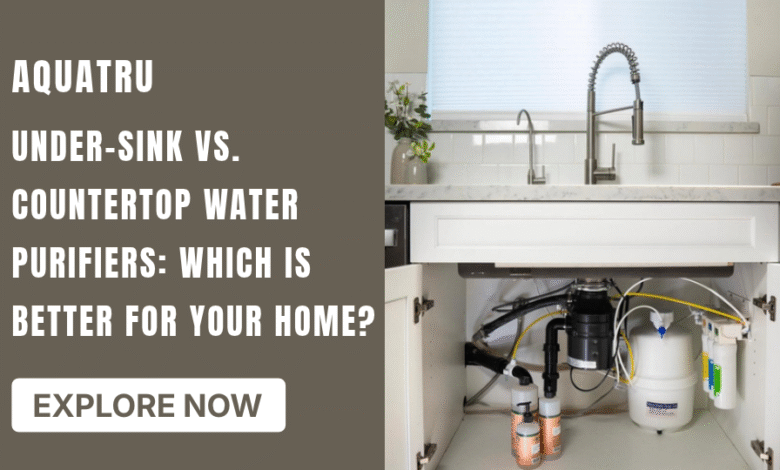
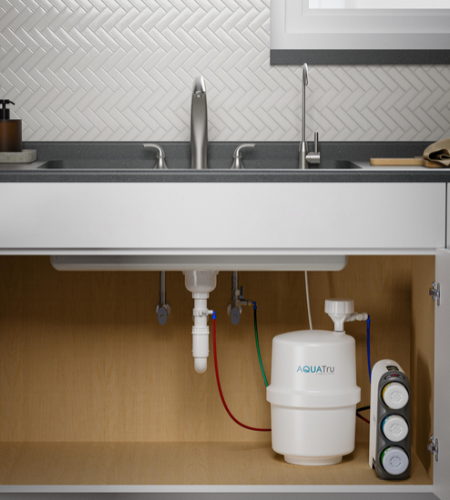
An under-sink water purifier is installed inside the cabinet beneath a kitchen sink. It connects to the water supply and typically delivers filtered water through a separate faucet.
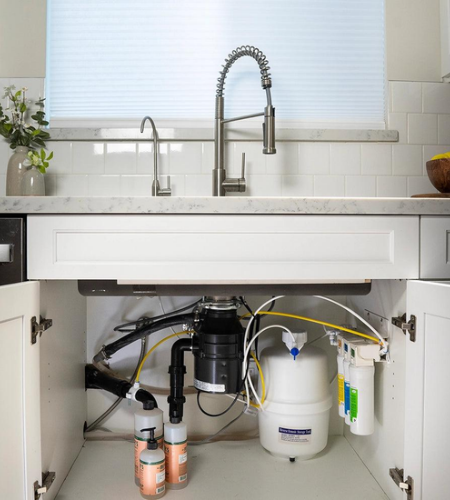
Because the main unit remains hidden, it does not occupy valuable countertop space. This arrangement can be particularly useful for families that regularly need purified water for drinking, cooking, and filling larger containers.
Reverse osmosis under-sink systems use multiple filtration stages to reduce selected contaminants. Depending on the model, these may include dissolved solids, certain heavy metals, chlorine, and other unwanted substances.
However, installation requirements should be considered before purchasing. Some systems require plumbing connections, cabinet space, and a suitable faucet installation.
What Is a Countertop Water Purifier?
A countertop water purifier sits directly on the kitchen counter and provides filtered water through its dispensing system or collection container.
Unlike conventional under-sink systems, many countertop models do not require permanent plumbing modifications. Some simply need a power connection and manual refilling of the water reservoir.
This makes countertop purification attractive for renters, smaller households, and people who prefer a simpler installation process.
Common advantages include:
- Convenient placement in the kitchen.
- No permanent plumbing installation for suitable models.
- Easier access to the purification unit.
- Flexible placement when kitchen arrangements change.
- Different storage capacities for different household needs.
The main consideration is available counter space and how frequently the water reservoir needs refilling.
Under-Sink vs. Countertop Water Purifiers: Main Differences
Both systems can provide additional drinking water filtration, but their designs make them suitable for different situations.
1. Installation Requirements
Under-sink systems generally require a connection to the household water supply. Depending on the product, professional installation may be helpful.
Countertop systems such as AquaTru Classic are designed for simpler setup without permanent plumbing modifications.
Better option: Countertop models are generally more convenient for people who want to avoid installation work.
2. Kitchen Space
An under-sink purifier keeps its main equipment inside the cabinet, leaving the countertop available for other kitchen activities.
A countertop purifier occupies visible space, which may become inconvenient in smaller kitchens.
Better option: Under-sink systems are worth considering when maintaining a clear countertop is important.
3. Water Accessibility
Under-sink systems provide filtered water through a dedicated faucet connected to the purification unit.
Countertop systems usually require dispensing water directly from the machine or transferring it into a separate container.
Better option: Under-sink systems can be more convenient for households with frequent water requirements.
4. Maintenance
Both systems require regular filter replacement to maintain their intended filtration performance.
The replacement schedule depends on the filter type, water consumption, and manufacturer’s recommendations. Before purchasing, compare replacement filter prices and availability.
Better option: Neither system automatically requires less maintenance. The specific model and its replacement schedule matter more.
How AquaTru Offers Both Water Purification Options
AquaTru specializes in reverse osmosis water purification and provides different configurations for households with varying requirements.
Its product selection includes countertop purifiers, compact carafe systems, and under-sink solutions.
AquaTru Classic Countertop Purifier
The AquaTru Classic is designed for people who want reverse osmosis filtration without permanent plumbing installation.
Its main features include:
- Four-stage reverse osmosis purification.
- A 0.75-gallon purified water tank.
- Push-button water dispensing.
- Replaceable filtration components.
- No permanent plumbing connection required.
AquaTru states that the Classic is independently tested and certified by IAPMO to applicable NSF standards for reducing 84 specified contaminants.
AquaTru Carafe
The Carafe is a compact alternative for households that prefer a smaller countertop system.
It features a removable 64-ounce glass carafe and four-stage reverse osmosis filtration. Its design may suit people who have limited kitchen space or do not need the larger storage capacity of the Classic.
AquaTru Under-Sink Purifier
For households that prefer hidden equipment and filtered water directly from a dedicated faucet, AquaTru also offers an under-sink purification system.
It uses four-stage reverse osmosis technology and is designed to provide convenient access to purified water without keeping the main purifier on the counter.
This option may be more suitable for families with higher daily water requirements.
Which Water Purification System Should You Choose?
The right choice depends on how you use water and what matters most in your kitchen.
Consider a countertop purifier if:
- You rent your home or may relocate.
- You want to avoid permanent plumbing changes.
- You have moderate daily water requirements.
- You prefer a simpler installation process.
Consider an under-sink purifier if:
- You have sufficient cabinet space.
- You prefer a clean, uncluttered countertop.
- Your household regularly uses larger quantities of purified water.
- You want filtered water through a dedicated faucet.
Before making a decision, check the filtration certification, contaminant reduction data, replacement filter costs, and product compatibility.
Pricing and Long-Term Ownership Costs
The purchase price is only one part of owning a water purification system.
For example, AquaTru listed its Classic countertop model at approximately $475 USD and its Carafe at approximately $375 USD when researched. Prices can change, and the under-sink model may have different equipment and installation costs.
You should also calculate the potential expenses associated with:
- Replacement filters.
- Installation materials or professional services.
- Electricity consumption.
- Maintenance accessories.
- Shipping and applicable taxes.
International customers should confirm delivery availability, electrical compatibility, and import charges before placing an order.
Frequently Asked Questions
1. Is an under-sink water purifier better than a countertop purifier?
Not necessarily. Under-sink systems offer hidden installation and convenient faucet access, while countertop models provide greater installation flexibility.
2. Do countertop reverse osmosis systems need plumbing?
Some models do not. The AquaTru Classic and Carafe are designed to operate without permanent plumbing connections.
3. Are under-sink water purifiers suitable for apartments?
They can be suitable if the apartment allows the necessary plumbing modifications and has enough cabinet space. Renters should check installation restrictions first.
4. Does AquaTru offer both types of water purifiers?
Yes. AquaTru offers countertop models, including the Classic and Carafe, as well as under-sink purification solutions.
5. How often should water purifier filters be replaced?
Replacement intervals depend on the model and individual filter. Always follow the manufacturer’s recommended schedule and applicable capacity limits.
Conclusion
Choosing between under-sink and countertop water purifiers depends on your kitchen layout, household water consumption, installation preferences, and maintenance budget. Countertop systems offer flexibility and simpler setup, while under-sink models provide hidden installation and convenient faucet access.
AquaTru offers solutions for both preferences, including the Classic, Carafe, and under-sink systems. Comparing their features and long-term ownership costs can help you identify the right water purification system for your household. If you are planning to improve your home’s drinking water filtration, consider reviewing AquaTru’s available models and selecting the option that best matches your everyday requirements.