Cold plunging has become a popular wellness practice among fitness enthusiasts, athletes, and people looking for new ways to structure their daily routines. A cold plunge involves immersing your body in cold water for a short period, often using a dedicated tub filled with chilled water or ice. If you are curious about cold plunge benefits, the right setup, or how to get started safely, understanding the basics can help you make an informed decision.


Although cold-water immersion may temporarily increase alertness and help relieve post-exercise muscle soreness, it is not a guaranteed solution for better health or faster recovery. Temperature, exposure time, personal health, and consistency all matter. For people interested in creating a dedicated space at home, The Pod Company offers cold plunge products and accessories designed to make cold-water immersion more accessible.
Why Cold Plunging Matters
Cold plunging attracts attention because it combines a simple activity with an intense physical sensation. When your body enters cold water, breathing and heart rate can change rapidly as your body responds to the sudden temperature difference.
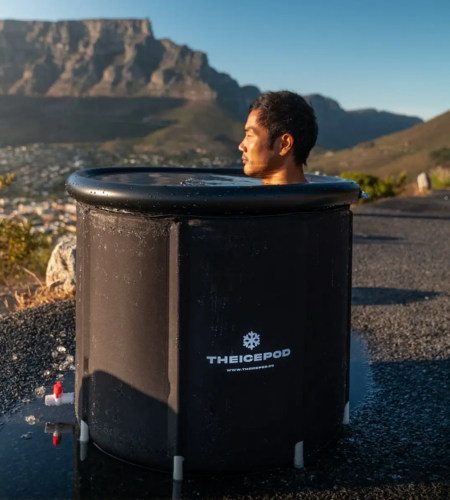
Some people enjoy the temporary feeling of alertness that follows a cold plunge. Athletes also use cold-water immersion as one approach to managing exercise-related soreness. However, scientific evidence for many widely promoted benefits remains limited, and results can vary between individuals.
It is important to understand what cold plunging can and cannot offer. It should not replace medical care, balanced nutrition, adequate sleep, or a well-planned exercise routine. If your main goal is muscle growth, consider the timing of cold-water immersion because frequent cold plunges immediately after resistance training may interfere with some muscle-building adaptations.
How to Start a Cold Plunge Routine
Beginners do not need to start with extremely cold water or long sessions. A gradual approach is more sensible than trying to tolerate the lowest possible temperature.
Consider these practical steps:
- Choose a moderate starting temperature: Medical guidance commonly recommends starting around 50–59°F (10–15°C), rather than jumping straight into freezing water.
- Keep the first exposure brief: Start with a short exposure, such as 30 seconds, and leave the water sooner if you feel unwell.
- Monitor the temperature: Use a reliable thermometer instead of estimating how cold the water feels.
- Keep your head above water: This helps reduce some risks associated with sudden cold exposure.
- Prepare your exit: Place a towel and warm clothing nearby so you can dry off and warm up afterward.
- Pay attention to warning signs: Leave immediately if you experience dizziness, chest discomfort, unusual shortness of breath, confusion, or severe numbness.
Never treat a cold plunge as a competition. Longer sessions and colder temperatures are not automatically better.
People with heart conditions, high blood pressure, circulation problems, diabetes, or conditions affecting sensation should consult a healthcare professional before trying cold-water immersion. Pregnancy and certain breathing conditions may also require additional medical guidance.
How The Pod Company Fits the Topic
The Pod Company offers products for people who want to explore cold therapy at home. Its range includes cold plunge tubs, water chillers, and accessories that support different setup preferences.
A dedicated plunge tub can provide a designated place for cold-water immersion without requiring you to use a regular bathtub every time. The type of setup that makes sense depends on your available space, preferred water temperature, maintenance expectations, and budget.
Before choosing a product, think about how you plan to use it. Someone who wants occasional cold-water sessions may prefer a simple tub with manually added ice. Someone who wants more consistent temperature control may prefer a compatible water chiller.
The goal is to choose equipment that fits your actual routine rather than purchasing features you may never use.
Which Cold Plunge Products Should You Consider?
The Pod Company’s product range includes several options worth comparing.
The Ice Pod
The Ice Pod is a cold plunge tub intended for home use. It may suit people who want a dedicated container for cold-water immersion without immediately committing to a more elaborate setup.
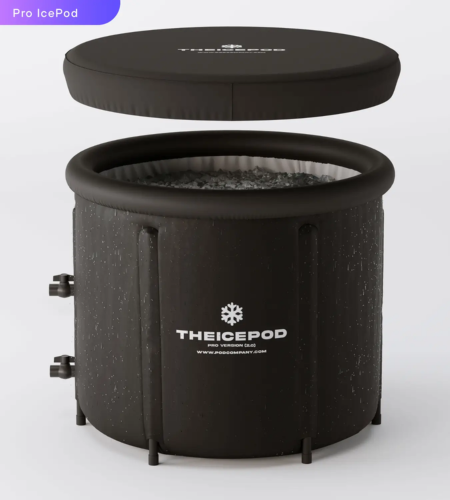
When comparing this option, consider the tub’s dimensions, available space, water management requirements, and how you will maintain your preferred temperature. A basic ice-based setup also requires access to enough ice for your intended sessions.
The Long Pod
The Long Pod is designed to provide additional space compared with the smaller plunge option. This may be worth considering if body fit and comfort are priorities.
Check the current product dimensions and recommended user-height limits before choosing. A tub should accommodate your body comfortably while allowing you to enter and exit safely.
Water Chillers
A compatible water chiller can reduce the need to add fresh ice for every session. The Pod Company offers chiller options with different cooling capabilities.
Before purchasing one, compare the temperature range, cooling speed, compatibility, maintenance requirements, and operating costs. Your local climate and starting water temperature may affect cooling performance.
Accessories and Maintenance Supplies
Accessories such as insulated covers, thermometers, ice bricks, and water-maintenance supplies may help make a plunge setup more practical. Availability and bundle contents can change, so check the current product details before deciding which extras you need.
Pricing, Setup, and Maintenance
The cost of a cold plunge depends on the tub, cooling method, accessories, and ongoing maintenance. An ice-based setup may have a lower initial equipment cost, but buying ice regularly can add recurring expenses. A chiller generally requires a larger upfront investment and electricity to operate.
The Pod Company’s official store lists product options and current prices, but prices, discounts, and availability can change. Review the final checkout total, shipping eligibility, warranty terms, and return conditions before placing an order.
Maintenance deserves equal attention. Follow the manufacturer’s instructions for water treatment, cleaning, filtration, and storage. Avoid assuming that cold water automatically stays hygienic. Regularly inspect your equipment and replace or treat water according to the product’s guidance.
Pros and Cons of Home Cold Plunging
Potential advantages
- Provides a dedicated space for cold-water immersion.
- Offers flexibility to choose between ice-based and chiller-based setups.
- May support a personal wellness or post-exercise routine.
- Allows users to select equipment based on available space and budget.
Potential drawbacks
- Requires regular cleaning and water maintenance.
- Ice, electricity, and accessories can increase ongoing costs.
- Very cold water can cause dangerous physical reactions.
- The evidence for several popular health claims remains limited.
A home cold plunge is most useful when its practical requirements and risks fit your circumstances.
Frequently Asked Questions
1. How cold should a beginner’s plunge be?
A starting range around 50–59°F (10–15°C) is commonly recommended in medical guidance. Individual tolerance varies, so avoid extreme temperatures and seek professional advice when appropriate.
2. How long should a beginner stay in cold water?
Start with a brief exposure, such as 30 seconds, and increase cautiously only if appropriate. There is no need to stay in for several minutes to prove your tolerance. Exit immediately if concerning symptoms develop.
3. Can cold plunging help with muscle soreness?
Cold-water immersion may help reduce perceived muscle soreness after exercise. However, its effects vary, and regular immediate post-workout use may not suit people prioritizing muscle growth.
4. Do I need a water chiller?
No. Some tubs can be used with cold tap water and ice. A chiller may offer more consistent temperature control, but the right choice depends on your budget, climate, and maintenance preferences.
5. How do I keep a cold plunge clean?
Follow the manufacturer’s instructions for cleaning, water treatment, filtration, and water replacement. Do not assume that low temperatures eliminate all hygiene concerns.
6. Is cold plunging suitable for everyone?
No. Cold exposure can place stress on the cardiovascular and respiratory systems. People with underlying health conditions should consult a healthcare professional before beginning.
Conclusion
Cold plunging can be an interesting addition to a wellness routine, but a safe, realistic approach matters more than chasing extreme temperatures or lengthy sessions. Start gradually, understand the potential risks, and keep expectations grounded in the available evidence.
If you are considering a dedicated home setup, compare The Pod Company’s tubs, chillers, and accessories based on your space, budget, maintenance preferences, and intended use. Review the specifications and current policies carefully to determine whether a cold plunge is appropriate for your needs.