Setting up a cold plunge at home can make cold-water immersion easier to incorporate into a personal wellness routine. However, choosing the right cold plunge tub involves more than finding a container that holds cold water. You need to consider available space, body fit, water temperature, cleaning requirements, cooling methods, and your overall budget. The right setup should be practical to maintain and comfortable to use without encouraging unnecessarily long or extreme cold exposures.


Some people prefer a straightforward ice bath, while others want a water chiller that maintains a more consistent temperature. Understanding the differences can help you avoid spending money on features you do not need. The Pod Company offers cold plunge tubs and compatible cooling equipment, making its range one option to consider when comparing home cold plunge systems.
What to Consider Before Buying a Cold Plunge Tub
Before choosing a product, think about how it will fit into your home and routine. A tub that looks suitable online may be inconvenient if you have limited floor space or no practical way to drain it.
1. Size and Body Fit
Start by checking the tub’s length, width, height, and water capacity. Your height and preferred position during immersion also matter. Some round tubs encourage a seated position, while longer designs provide additional room to stretch your legs.
Measure the intended location before ordering. Remember to leave enough space to enter and exit safely, access any connected equipment, and clean around the tub. If you plan to install it outdoors, consider shade, drainage, weather exposure, and access to a suitable power supply if you use a chiller.
2. Ice-Based Cooling or a Water Chiller
An ice-based cold plunge is relatively straightforward. You fill the tub with water, add ice as needed, and monitor the temperature with a thermometer. The main disadvantages are the recurring cost of ice and the preparation required before each session.
A water chiller circulates water through cooling equipment to maintain a more consistent temperature. It can reduce the need to purchase ice repeatedly, although it introduces electricity costs, equipment maintenance, and additional upfront expense.
Your local climate matters, too. Warm surroundings can make it harder to keep water cold, especially when the tub receives direct sunlight.
3. Insulation and Water Maintenance
Insulation helps slow temperature changes, but its effectiveness depends on the tub’s construction and surrounding conditions. An insulated cover can also help protect the water between sessions.
Water hygiene is equally important. Look for clear maintenance instructions and understand whether the system includes filtration or requires separate treatment products. Cold water should not automatically be considered clean or safe for extended use.
How The Pod Company Fits a Home Cold Plunge Setup
The Pod Company offers cold plunge tubs, water chillers, and accessories for people interested in creating a dedicated cold-water immersion space. Its products provide different approaches to setup, from adding ice manually to using a compatible chiller.
When comparing the available options, focus on the product specifications rather than marketing claims alone. Tub dimensions, compatibility, cooling capacity, included accessories, and warranty terms are useful details to review before making a decision.
The brand’s range includes options suited to different space and comfort preferences, so buyers can compare compact round designs with longer tubs. Current configurations and availability may change, making it important to check the latest product information.
Comparing Cold Plunge Options
The Ice Pod Pro
The Ice Pod Pro is a round cold plunge tub intended for home use. Its design may appeal to people who prefer a compact footprint instead of a long, horizontal tub.
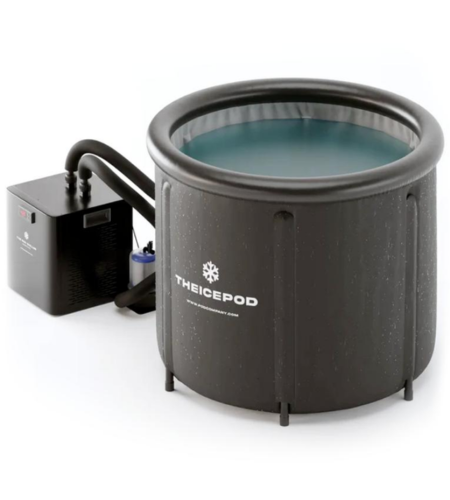
Before choosing it, check the current dimensions, water capacity, and recommended user limits. Also consider how you will cool the water. An ice-based arrangement requires preparation, while a compatible chiller can offer a more automated approach.
The Long Pod
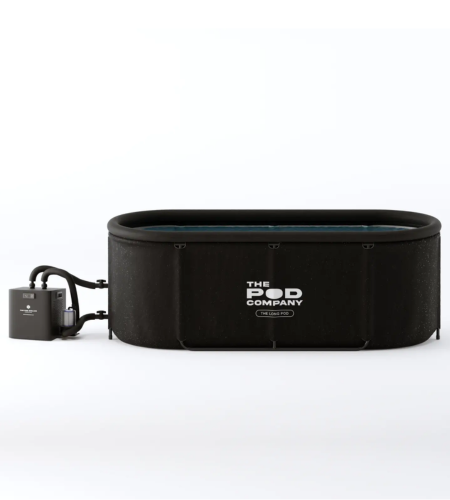
The Long Pod has an elongated design that provides additional room for positioning your body. The manufacturer’s listed specifications include a capacity of 126 gallons and dimensions of approximately 62 inches long, 27 inches wide, and 21 inches high.
Its shape may be worth considering if you find round tubs restrictive. However, it requires enough floor space and a suitable location for filling and draining. Check the current model specifications and chiller compatibility before purchasing.
Water Chillers
A compatible water chiller can make temperature management more convenient for people who use their plunge regularly. The Pod Company offers chiller options with different cooling capabilities.
Compare the specified minimum water temperature, cooling performance, power requirements, filtration system, and operating conditions. A more powerful chiller may be useful in a warm climate, but the most expensive option is not necessarily the right choice for every household.
Understanding the Total Cost
The advertised price is only one part of the cost of owning a cold plunge. Consider the complete setup before deciding how much to spend.
Potential expenses include:
- The tub and any required fittings.
- A water chiller, if you choose one.
- Ice for manual cooling.
- Electricity for cooling equipment.
- Water-treatment and cleaning supplies.
- Covers, thermometers, and other accessories.
The Pod Company’s official store provides current product and bundle information. Prices, discounts, shipping terms, and availability can change, so review the checkout details and applicable return conditions before ordering.
If you are new to cold plunging, a simple setup may be sufficient to determine whether the practice fits your routine. You can prioritize essential equipment instead of immediately purchasing every available accessory.
Cold Plunge Safety and Maintenance
A convenient home setup should also make safe use easier. Cold-water immersion can trigger rapid changes in breathing, heart rate, and blood pressure, particularly when exposure is sudden.
Beginners should start cautiously, avoid extreme temperatures, and keep initial sessions brief. Never force yourself to remain in cold water when uncomfortable. Leave immediately if you experience chest pain, severe dizziness, confusion, or unusual difficulty breathing.
People with cardiovascular conditions, blood pressure concerns, circulation problems, or other relevant health conditions should consult a healthcare professional before trying cold plunging.
For maintenance, follow the manufacturer’s cleaning and water-treatment instructions. Inspect the tub, hoses, fittings, and chiller regularly. If the equipment is outdoors, follow its weather and temperature precautions to prevent damage.
Pros and Cons of a Home Cold Plunge
Advantages
- Convenient access to cold-water immersion at home.
- Choice of ice-based or chiller-based cooling.
- Different tub shapes to suit available space.
- Control over the setup and maintenance routine.
Disadvantages
- Initial equipment costs can add up.
- Ice and electricity may create ongoing expenses.
- Water cleaning requires regular attention.
- Cold exposure carries risks and is not suitable for everyone.
A realistic assessment of these trade-offs helps you choose equipment for long-term practicality rather than appearance alone.
Frequently Asked Questions
1. Is a cold plunge at home worth it?
It may be worthwhile if you enjoy cold-water immersion and can manage the equipment, maintenance, and safety requirements. Consider your goals and expected usage before investing.
2. Is an ice-based tub better than a chiller system?
Neither option is automatically better. Ice-based tubs can cost less initially, while chillers provide more consistent temperature control with less manual ice preparation.
3. How much space does a cold plunge need?
Space requirements depend on the tub’s dimensions and the surrounding access needed for safe entry, cleaning, and maintenance. Measure your intended location before ordering.
4. How do you keep cold plunge water clean?
Follow the manufacturer’s recommendations for water treatment, filtration, cleaning, and replacement. Inspect the equipment regularly and avoid assuming cold temperatures eliminate hygiene risks.
5. Can beginners use a cold plunge tub?
Some healthy adults can introduce cold-water immersion gradually, but cold exposure is not risk-free. Start cautiously, avoid extreme temperatures, and seek medical guidance if you have relevant health concerns.
Conclusion
Choosing the right cold plunge tub for home use comes down to fit, cooling method, maintenance, safety, and total cost. A compact ice-based tub may suit someone who wants a straightforward setup, while a longer tub or compatible chiller may be more appropriate for different comfort and temperature-control needs.
The Pod Company offers several options worth comparing, including the Ice Pod Pro, Long Pod, and water chillers. Review the current specifications and product policies carefully, then explore the official store to find a setup that fits your available space, budget, and intended routine.