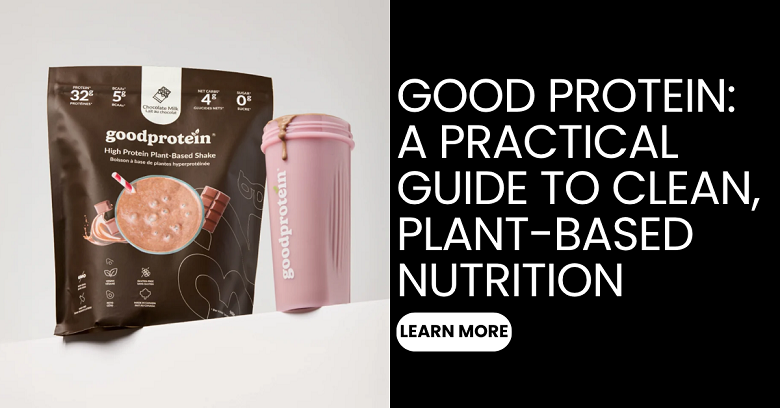
Finding a protein powder that actually tastes good, mixes smoothly, and delivers more than just grams of protein can feel surprisingly hard. Many options are gritty, heavily sweetened, or limited to basic whey or pea isolates. Good Protein positions itself as a Canadian-made, plant-based alternative designed for everyday use — an all-in-one shake that includes protein, fibre, vitamins, minerals, and digestive support in one scoop.


This guide explains what sets a solid protein choice apart, how Good Protein’s formulations work, who they may suit, and how to use them sensibly alongside whole foods. Whether you’re looking for the best vegan protein powder, a convenient high-protein option for women, support around weight management, or a plant-based approach to collagen support, the principles below remain the same: prioritise nutrition quality, digestibility, and realistic expectations.
What Makes a “Good” Protein Powder?
A high-quality protein powder should supply complete or near-complete amino acids, mix without excessive grit, avoid unnecessary additives, and fit your dietary needs (vegan, dairy-free, low sugar, etc.). Key factors include:
- Protein quality and amount per serving
- Fibre and micronutrient content
- Digestibility (especially important for plant-based options)
- Taste and texture
- Ingredient transparency
Plant-based options have improved dramatically. Pea protein, often combined with flax or other sources, can deliver all nine essential amino acids. When fibre, probiotics or enzymes, and a broad nutrient blend are added, the product can function closer to a meal-replacement-style shake rather than a pure isolate.
High-protein, lower-calorie formulations appeal to people managing weight or seeking satiety between meals. Clean labels (minimal added sugar, no artificial colours or flavours) matter to many shoppers comparing best protein powder for women, best plant-based protein powder, or best tasting protein powder options.
Good Protein’s Approach: All-in-One Plant-Based Nutrition
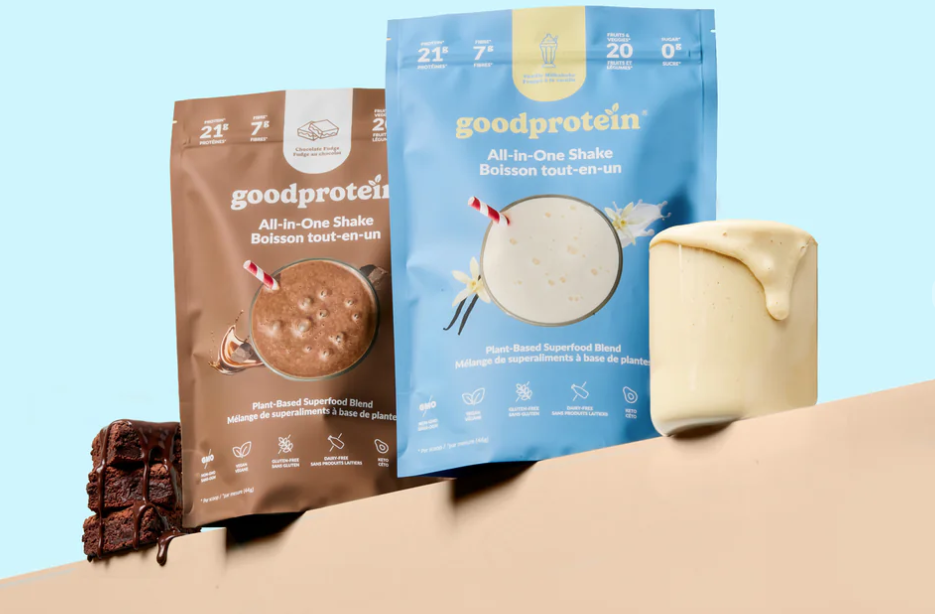
Good Protein’s flagship All-in-One Shake typically provides around 21 g of complete plant-based protein per scoop (primarily pea protein with milled golden flaxseed), about 7 g of dietary fibre, and a range of vitamins and minerals. Many versions also include a digestive blend with probiotics and enzymes, plus a fruits, vegetables and mushrooms blend. Calories sit around 170 per serving with little to no added sugar, depending on flavour.
The brand emphasises creamy texture and dessert-inspired flavours (Vanilla Milkshake, Chocolate Fudge, Peanut Butter, Cookies & Cream, and others) rather than the chalky profile some plant powders still carry. Products are formulated to be vegan, gluten-free, dairy-free and non-GMO, and are made in Canada.
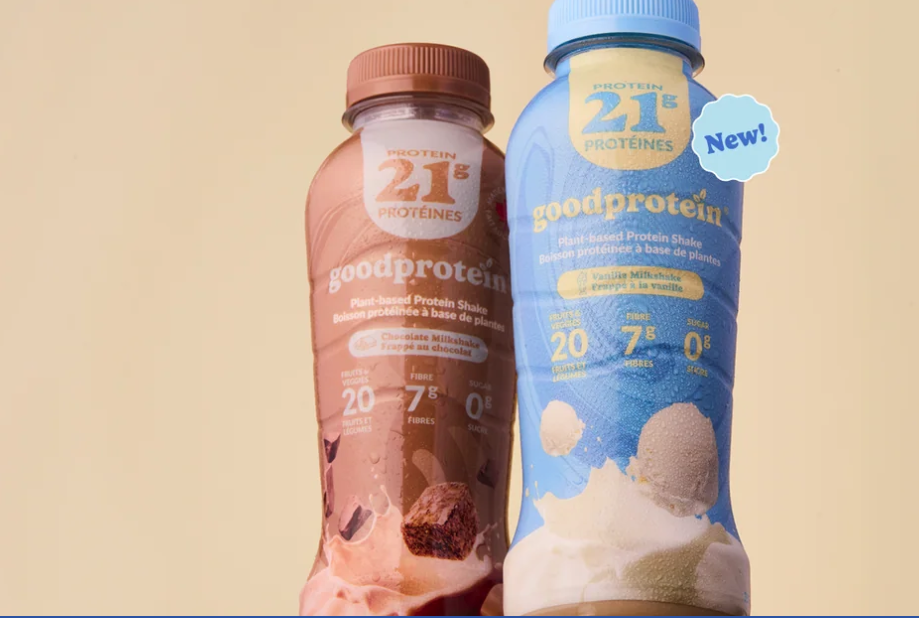
They also offer a higher-protein option for fitness recovery, a Clear Protein + Electrolytes range, ready-to-drink bottled shakes, and a Plant-Based Collagen Booster. The collagen product does not contain actual collagen (which is animal-derived); instead it supplies plant superfoods and vitamin-C-rich ingredients intended to support the body’s natural collagen production.
These features make Good Protein relevant when people search for best vegan protein powder, best plant based protein powder, best protein powder for women, high protein low calorie foods in shake form, or best collagen powder alternatives that stay plant-based.
Who Might Benefit From This Style of Protein?
Everyday convenience and meal support An all-in-one shake can serve as a quick breakfast, post-workout option, or between-meal snack. The fibre and protein combination may help with fullness compared with lower-fibre isolates.
Women’s nutrition and weight-management goals Many shoppers look for best protein powder for women, best protein powder for weight loss female, or high protein shakes for weight loss. A lower-sugar, higher-fibre plant option can fit a calorie-controlled or higher-protein eating pattern. It is not a fat-loss product on its own — consistent diet and activity matter more — but it can support protein targets without dairy.
Muscle maintenance and training For those seeking best protein powder for muscle gain or best plant based protein powder to build muscle, 21 g of complete plant protein provides a solid base. Pairing it with progressive resistance training and overall adequate calories and protein intake remains essential. Higher-protein variants exist for people with greater needs.
Digestive comfort and clean ingredients People sensitive to whey, lactose, or highly processed formulas often prefer dairy-free and plant-based options with added enzymes or probiotics. Good Protein markets easy digestion and minimal aftertaste as differentiators.
Collagen and skin-support interest Searches for best collagen powder for women, best collagen for skin, or plant-based collagen alternatives often lead to boosters rather than animal collagen peptides. Supporting natural production through vitamin C, polyphenols and overall nutrition is a different (and vegan-compatible) route.
Always treat supplements as additions to, not replacements for, a varied diet of whole foods. Individual needs vary with age, activity level, health status and goals. Consult a qualified healthcare professional or registered dietitian before starting any new supplement, especially if you are pregnant, breastfeeding, managing a medical condition, or taking medication.
How to Use Good Protein Practically
- Start with one scoop in 300–500 ml of water, plant milk or your preferred liquid.
- Shake vigorously or blend briefly for best texture.
- Adjust liquid volume for desired thickness.
- Use as a smoothie base (add fruit, greens, nut butter or oats) or in simple recipes such as overnight oats or protein pancakes.
- Track total daily protein from all sources rather than relying on shakes alone.
For weight management, pair shakes with balanced meals that include vegetables, whole grains or starchy vegetables, and healthy fats. For muscle goals, time protein intake around training and ensure overall calorie and protein needs are met.
Plant-Based Collagen Support Versus Traditional Collagen
Traditional collagen powders are usually bovine or marine. Plant-based collagen boosters work differently: they supply nutrients (especially vitamin C and polyphenols) that the body uses to make its own collagen. Good Protein’s version focuses on a creamy, mixable format with superfoods. It will not deliver the same amino-acid profile as hydrolysed collagen peptides, so expectations should match the mechanism.
If skin, hair or joint support is the main goal, overall protein intake, vitamin C status, sleep, sun protection and resistance training also matter. No single powder replaces those foundations.
Quick Comparison Points When Choosing Any Protein Powder
| Feature | What to Look For | Why It Matters |
|---|---|---|
| Protein per serving | 20 g+ complete or complementary amino acids | Supports daily targets efficiently |
| Fibre | Several grams | Satiety and digestive support |
| Added sugar | Low or zero | Better for blood-sugar stability |
| Digestibility | Enzymes, probiotics or well-tolerated base | Reduces bloating risk for many people |
| Taste & mixability | Smooth, enjoyable flavour | Consistency of use |
| Dietary fit | Vegan, gluten-free, dairy-free as needed | Matches personal requirements |
Good Protein scores well on the plant-based, fibre, micronutrient and flavour axes according to its published formulations. Always compare current labels, as formulations can change.
Frequently Asked Questions
Is Good Protein suitable for weight loss? It can help you meet higher protein targets with relatively moderate calories and added fibre, which may support satiety. Sustainable weight loss still depends on overall energy balance and habits.
Can it replace a meal? It can function as a convenient partial meal or snack, especially when blended with fruit, greens or healthy fats. It is not a complete long-term meal replacement for most people.
Is it good for women specifically? The nutrient profile (including iron in many versions) and dairy-free nature make it a practical option for many women. Needs still vary individually.
Does the collagen booster contain actual collagen? No. It is plant-based and formulated to support the body’s natural collagen production.
How does it compare with whey? Whey is typically faster-digesting and higher in certain amino acids by default. High-quality plant blends can still support muscle and general nutrition goals when total daily protein is adequate. Choice often comes down to dietary preference, digestion and taste.
Is it available in the USA and UK? The brand is Canadian and ships primarily within Canada, with online availability and growing retail presence. Check the official site and major retailers for current shipping or stock options in your region.
Any safety notes? Products may be manufactured in facilities that handle common allergens. Read labels carefully. Supplements are not regulated as strictly as medicines; quality and third-party testing vary across the industry. Consult a healthcare professional with personal health questions.
Conclusion
A good protein powder should make it easier — not harder — to meet your nutrition needs consistently. Good Protein offers a plant-based, higher-fibre, micronutrient-supported option with a strong focus on taste and digestibility. It aligns well with searches for best vegan protein powder, best protein powder for women, best plant based protein, high-protein low-calorie shakes, and plant-based collagen support.
Use it as one tool among many: prioritise whole-food protein sources, stay active, sleep well, and keep expectations realistic. For product details, current flavours and ordering, visit the official site at https://goodprotein.ca/.